Introduction
Climate change is one of the most pressing challenges of our time, with its impacts being felt across the globe. As temperatures rise, extreme weather events become more frequent, and ecosystems face unprecedented stress, the urgency to find effective solutions intensifies. While reducing greenhouse gas emissions remains critical, scientists and policymakers are increasingly exploring geoengineering as a potential tool to combat climate change. This blog post delves into the concept of climate engineering, examining its various techniques, potential benefits, risks, and ethical considerations.
Understanding Geoengineering

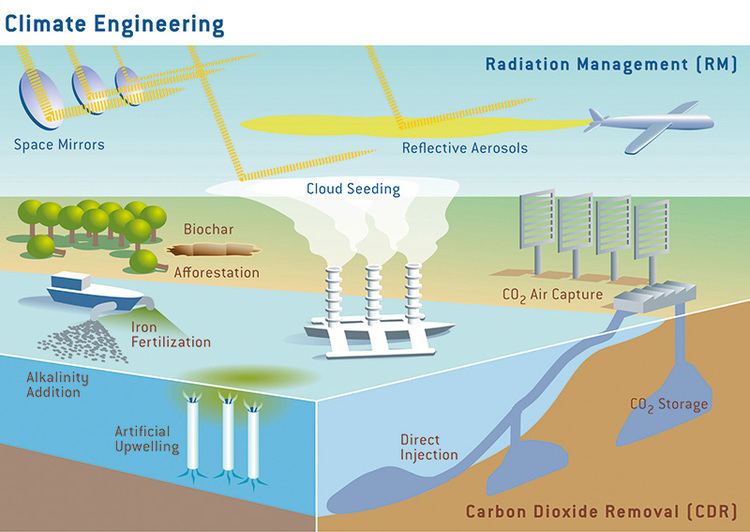
Geoengineering refers to a set of deliberate interventions designed to manipulate the Earth's climate system to counteract the effects of climate change. Broadly, these techniques can be categorized into two main approaches: solar radiation management (SRM) and carbon dioxide removal (CDR). SRM aims to reflect a small percentage of the sun’s light and heat back into space, thus cooling the planet. Techniques include stratospheric aerosol injection, which involves releasing reflective particles into the atmosphere, and marine cloud brightening, where seawater is sprayed into clouds to enhance their reflectivity.
On the other hand, CDR focuses on removing carbon dioxide from the atmosphere and sequestering it, thereby reducing the greenhouse effect. This can be achieved through natural processes, such as afforestation, or through technological innovations like direct air capture. Both SRM and CDR hold promise in mitigating climate change impacts, but they also raise complex questions about feasibility, safety, and governance. Understanding these approaches is crucial to evaluating their potential role in a comprehensive climate strategy.
Potential Benefits of Climate Engineering

The potential benefits of climate engineering are significant and varied. For instance, if implemented effectively, SRM could theoretically reduce global temperatures quickly and at a lower cost compared to other mitigation strategies. This rapid cooling effect could buy time to transition to a low-carbon economy while allowing ecosystems to adapt. Moreover, CDR techniques could contribute to achieving net-zero emissions, providing an additional tool for achieving climate targets.
Furthermore, climate engineering could help reduce the severity of climate-related disasters, protecting vulnerable communities and ecosystems. By stabilizing temperatures and weather patterns, geoengineering could enhance food security, reduce the risk of displacement, and support economic resilience in a changing climate. However, realizing these benefits requires careful planning, research, and international cooperation.
Risks and Ethical Considerations
Despite the potential benefits, climate engineering poses significant risks and ethical dilemmas. The deployment of geoengineering technologies could lead to unintended consequences, such as disruptions in weather patterns, ecological imbalances, or even geopolitical tensions. The complexity of the Earth's climate system means that even small interventions can have far-reaching effects.
Moreover, ethical questions arise regarding governance, accountability, and equity. Who decides when and how to deploy geoengineering technologies? How do we ensure that the benefits and risks are equitably shared, particularly for marginalized communities that may be disproportionately affected by climate change? These questions highlight the need for inclusive governance frameworks and rigorous research to assess the implications of geoengineering.
The Path Forward
As the urgency to address climate change grows, it is crucial to approach climate engineering with caution and responsibility. Continued research is necessary to understand the effectiveness, feasibility, and risks of geoengineering techniques. This should be complemented by robust public discourse to engage diverse stakeholders, including scientists, policymakers, ethicists, and affected communities.
Ultimately, climate engineering should not be seen as a replacement for reducing greenhouse gas emissions but rather as a complementary approach. The focus should remain on transitioning to sustainable energy systems, enhancing resilience, and preserving ecosystems. As we navigate this complex terrain, collaboration and informed decision-making will be vital in shaping a sustainable future for our planet.
Read More BlogsSponsored by
This Content Sponsored by Genreviews.Online Genreviews.online is One of the Review Portal Site. Website Link: https://genreviews.online/
Sponsor Content: #genreviews.online, #genreviews, #productreviews, #bestreviews, #reviewportal